Packing Snacks for the Day: Single-Serve Wraps vs. Homemade Portions
Snacking between meals is a habit many of us share. Whether you are packing a lunch bag for work, a backpack for a day out, or just keeping something in a desk drawer for that afternoon slump, the way you package your snack matters more than you might think. Two common approaches are individually wrapped snacks, the kind you buy ready to go, and homemade snack boxes you portion out yourself. Each has its own set of trade-offs around convenience, freshness, and control over what you eat.
What Individually Wrapped Snacks Offer
Individually wrapped snacks are the grab-and-go option. They come sealed in their own packaging, often with a long shelf life. This makes them ideal for situations where you cannot prepare ahead or where you need something that will keep without refrigeration. A road trip, a long meeting, or a hike are classic examples. The wrapper protects the snack from crushing, moisture, and air, so it stays in the same condition from the store to your mouth.
Portion control is built in. Each pack contains a set amount, which can help you avoid overeating. For people who find it hard to stop at one serving from a larger bag, the single-serve wrapper acts as a natural stop sign. You eat one, and the package is empty. No guessing, no scooping from a bulk container.
The downside is the packaging itself. Each wrapper adds waste, and not all materials are easily recyclable. There is also the question of additives. To stay shelf-stable, many individually wrapped snacks contain preservatives, added sugars, or refined flours. If you are trying to reduce those ingredients, reading labels becomes essential.
Homemade Snack Boxes: Control and Freshness
A homemade snack box means you buy or prepare snacks in bulk and divide them into your own containers. This approach gives you complete control over ingredients. You can choose whole foods, adjust sweetness, and avoid anything you do not want. Freshness is also a strong point. You can pack cut vegetables, fruit, cheese, or baked goods that would not survive in a sealed plastic wrapper for weeks.
Portion control is still possible, but it requires discipline. You decide how much goes into each box. If you tend to fill the container generously, a homemade box can end up holding far more than a store-bought pack. On the other hand, you can tailor the portion exactly to your hunger level, which a fixed wrapper cannot do.
Preparation time is the main trade-off. Washing, cutting, and dividing takes planning and a few minutes each day or each week. The containers need to be washed and reused. If you are in a rush or traveling, homemade boxes are less convenient. They also have a shorter shelf life. Most homemade snacks need to be eaten within a day or two and often require refrigeration.
When One Suits Better Than the Other
The best choice depends on the situation. For a desk drawer stash that can sit for weeks without spoiling, individually wrapped snacks are hard to beat. They are always there when you need them, no matter how long it has been since you visited the grocery store. The same goes for a road trip or a long day out. You can toss a few in your bag and not worry about crushing or temperature.
For a daily lunch where you have access to a fridge or a cool bag, homemade snack boxes shine. You can include fresh items that taste better and feel more satisfying. A small container of sliced bell peppers with hummus or a homemade oat bar will keep well enough for a few hours and offers more variety than a single wrapped biscuit.
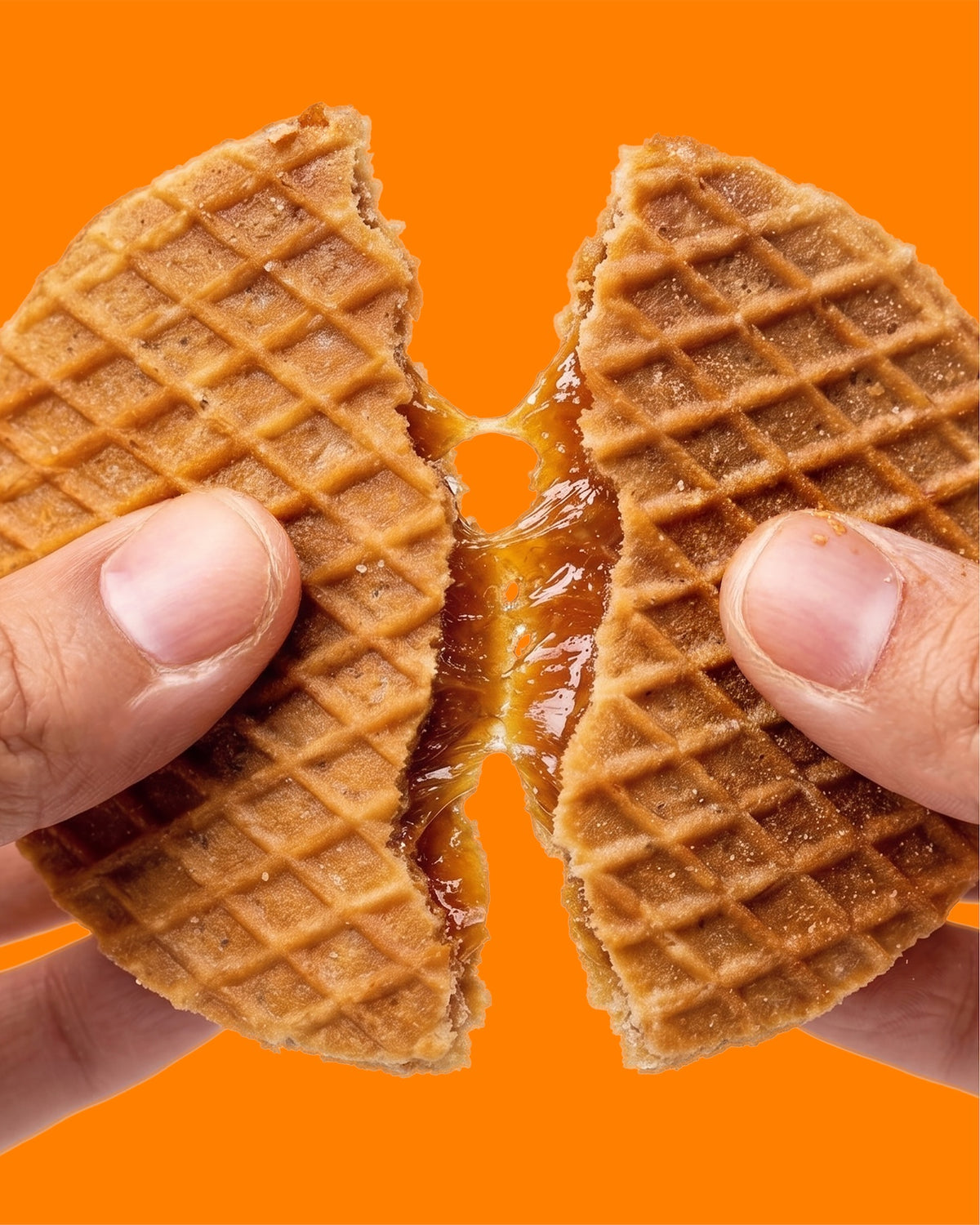
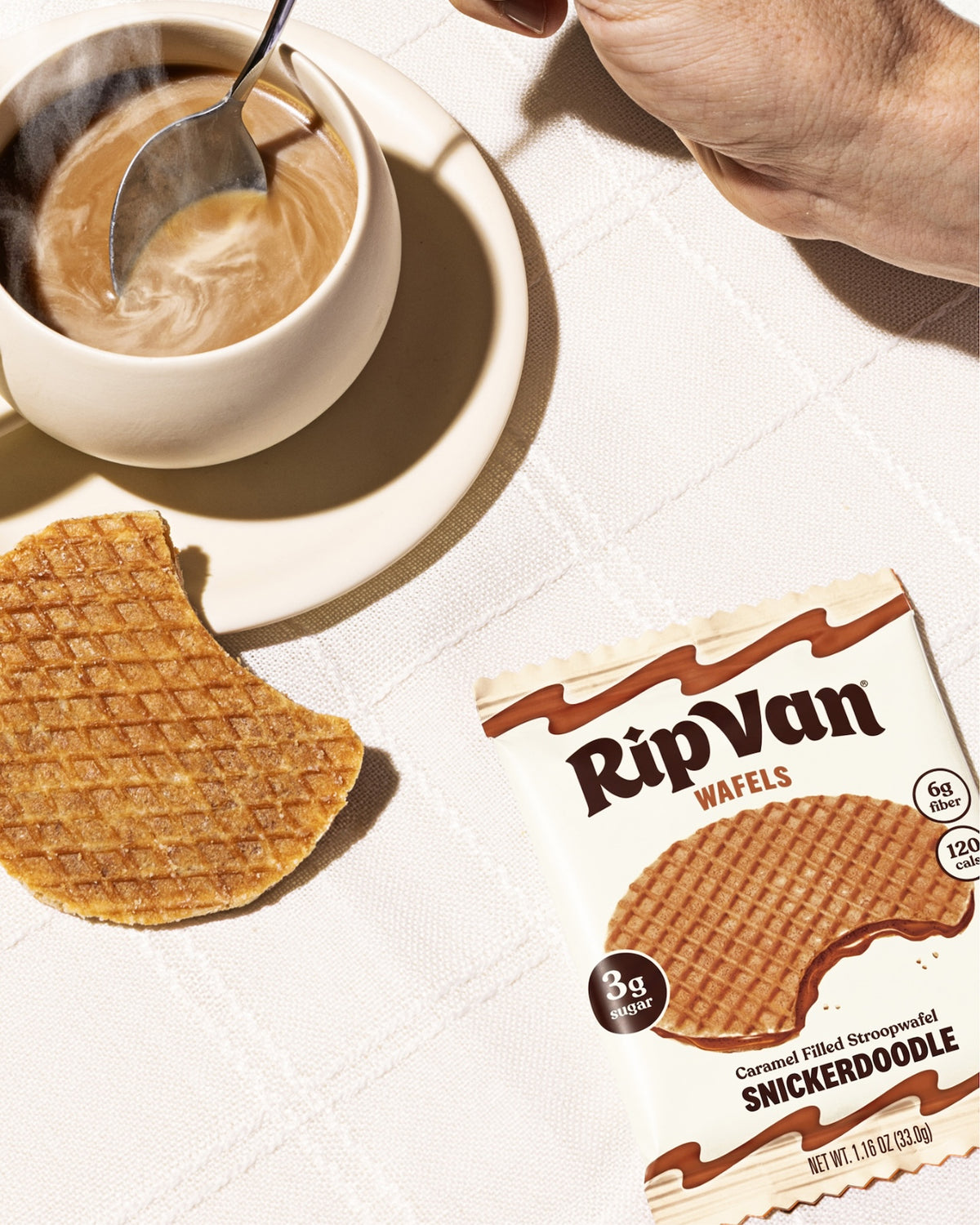
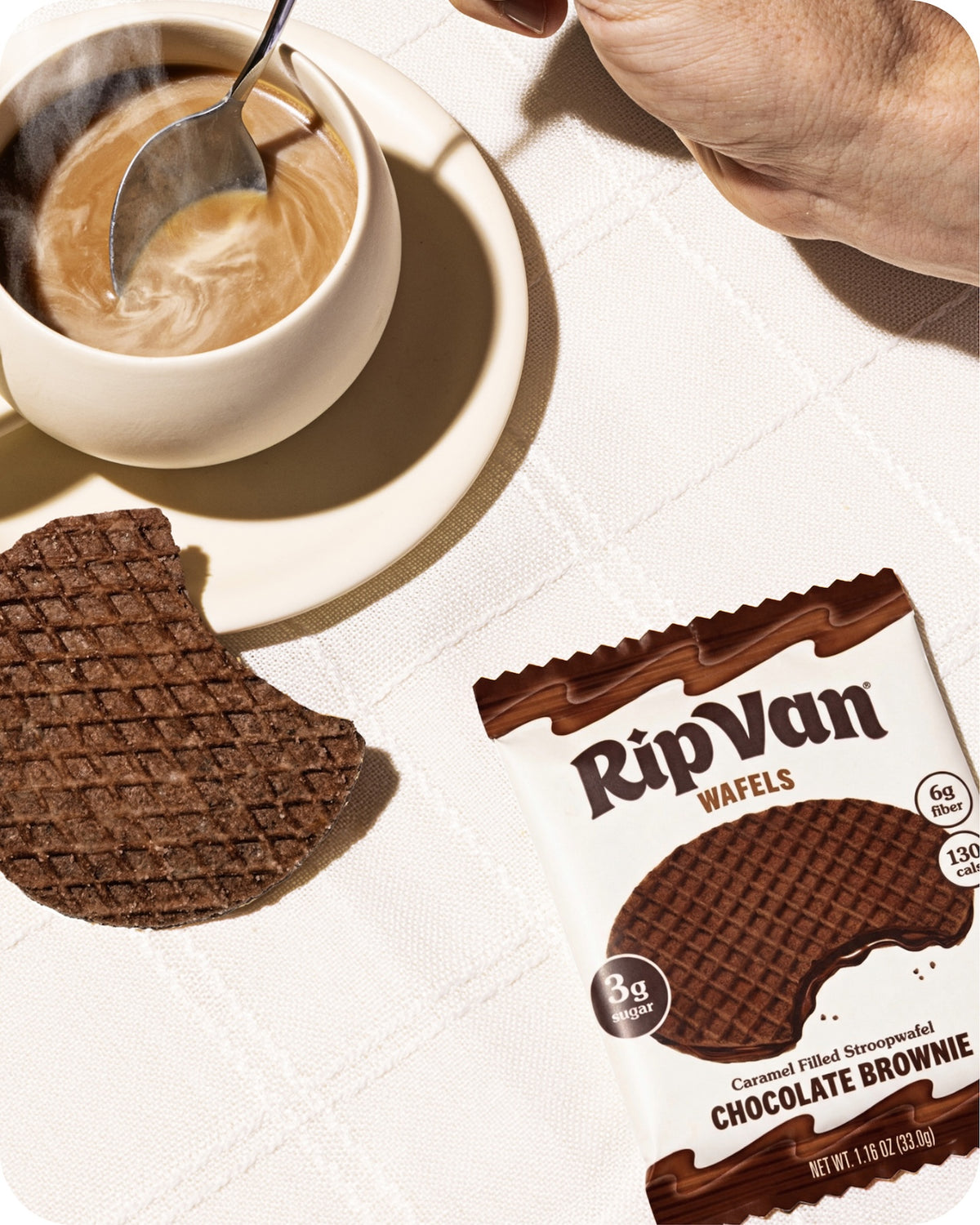
There is also the question of dietary needs. If you follow a specific eating plan, homemade boxes let you stick to it exactly. Individually wrapped snacks can fit too, but you have to search for options that match. Some brands specialise in lower-sugar or higher-fiber snacks, such as Rip Van, which offers Dutch-style wafer snacks with a chewy center and added fiber. That is one example of a product that bridges the gap between convenience and better-for-you ingredients.
Cost is another factor. Buying in bulk and portioning yourself usually costs less per serving than buying single-serve packs. But you need to factor in the time spent and the containers you buy or reuse. For some people, the premium paid for individually wrapped snacks is worth the time saved.
Practical Considerations for Each Approach
If you decide to lean more on individually wrapped snacks, look for options that use simpler ingredient lists. Many brands now offer snacks with recognizable ingredients, lower sugar, or added fiber. Pay attention to the packaging too. Some wrappers are recyclable or made from plant-based materials, which reduces the waste concern.
For homemade snack boxes, invest in a set of sturdy, leak-proof containers. Bento-style boxes with dividers work well for separating different items. Wash them right after use to keep them ready for the next day. A little weekly prep, like washing fruit or baking a batch of snack bars, makes it easy to pack a box in a few minutes each morning.
You can also combine both approaches. Keep a few individually wrapped snacks in your bag for emergencies, and pack a homemade box for your main snack. That way you get the best of both worlds: fresh, controlled portions when you can plan, and a reliable backup when you cannot.
Shelf Stability and Food Safety
One key difference is how long each option stays safe to eat. Individually wrapped snacks are designed for shelf stability. They do not need refrigeration and can sit in a warm car or a desk drawer for months. Homemade snacks, especially those with fresh produce, dairy, or meats, need to be kept at safe temperatures. A cool pack or insulated bag helps, but they still need to be eaten within a few hours if you are out in warm weather.
If you are packing for a child's lunch, consider what they will actually eat. A child might prefer the fun of opening a wrapped snack over a container of cut fruit. On the other hand, a homemade box lets you include a variety of textures and flavors that a single wrapper cannot offer.
Making the Choice That Works for You
There is no perfect system. What matters is having a snack that you will actually eat when hunger strikes. If a homemade box sits uneaten because it is inconvenient, it is not serving its purpose. If individually wrapped snacks cause you to eat more sugar or additives than you want, that is not ideal either.
Look at your routine. Where do you eat snacks? How much time do you have to prepare? What do you want from a snack in terms of nutrition and satisfaction? Answering those questions will point you toward the right balance. For many people, a mix of both approaches works best. Use individually wrapped snacks for the moments when convenience is king, and use homemade boxes when you have the time and want fresh, tailored options.
Snacking is a small part of the day, but it can have a big impact on energy levels and overall eating habits. Choosing the right packaging method helps you snack smarter, whether that means reaching for a wrap or opening a box you packed yourself.